By Tara Duncan, with Host Haley Hinson Ishmael
High Point by Design Director Jane Dagmi invites designers to experience the showrooms, craftsmanship, and creative community that make High Point a year-round design destination.
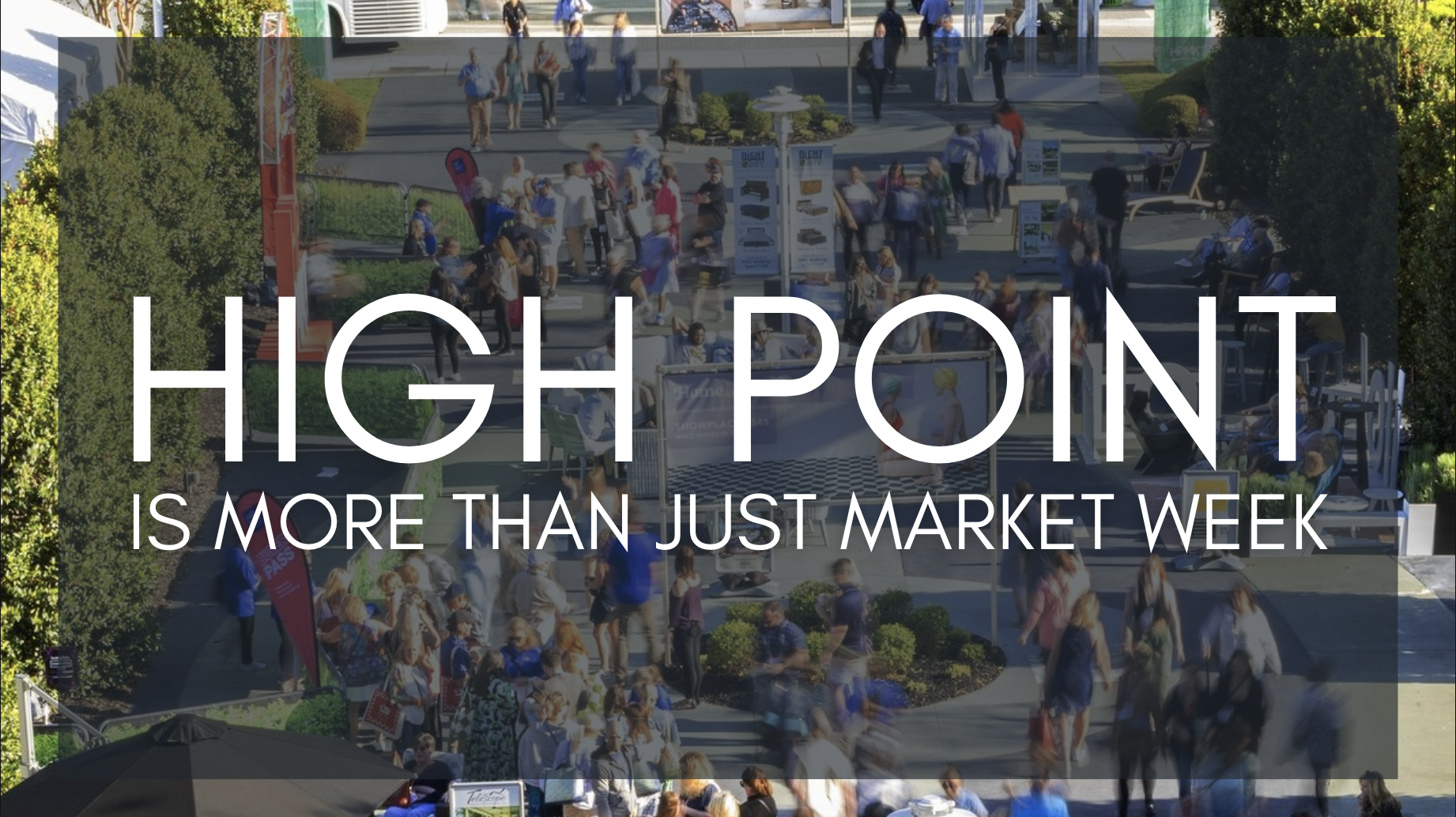
For many interior designers, High Point, North Carolina, is synonymous with High Point Market. Twice a year, the city comes alive with showroom introductions, educational events, networking opportunities, and the latest in home furnishings. But when the crowds leave and Market ends, the design industry doesn’t pack up.
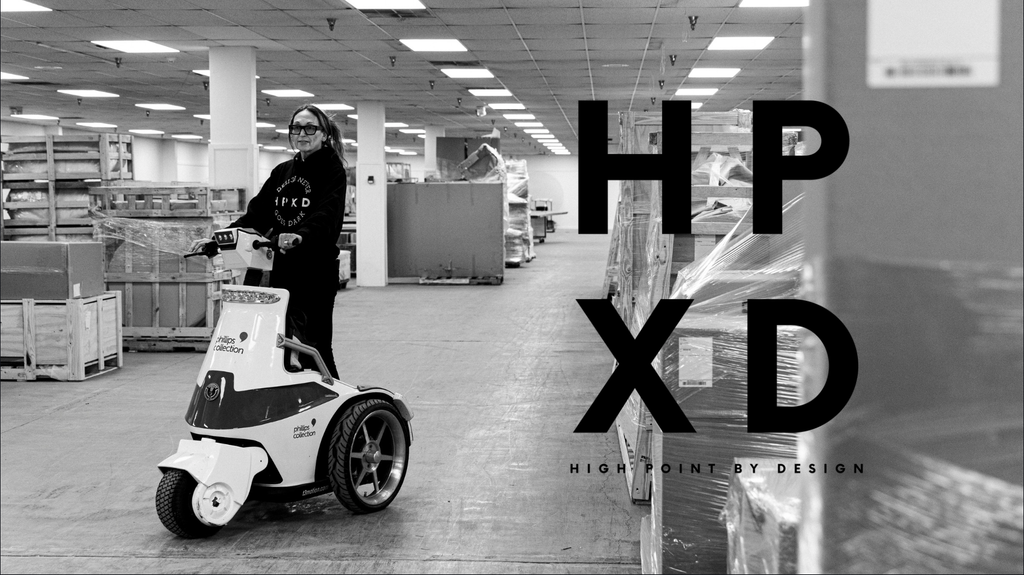
“High Point is a city, and we’re a city of design, and design happens here every day,” says Jane Dagmi, director of High Point by Design (HPxD). “Our motto [is] ‘Design never goes dark.’”

That philosophy is at the heart of HPxD, an organization dedicated to making High Point’s extraordinary concentration of showrooms, manufacturers, craftspeople and creative resources accessible beyond Market Week.
For Dagmi, whose career has included editorial roles at Country Living and Designers Today, High Point has long inspired her. After years of visiting the city as a market editor, she moved there in 2019 and became HPxD’s director in 2022. Today, she’s helping designers discover a side of High Point that even longtime Market attendees may not know exists.
A City of Design, All Year Long
The idea for HPxD took shape in 2020, when the pandemic disrupted the furniture industry’s familiar calendar. With the spring Market postponed, local showroom owners and manufacturers faced an uncertain future. Many had invested in property, built businesses, and employed teams in High Point, and they wanted to keep those businesses connected to designers.
At the same time, designers were experiencing an unexpected surge in demand as clients began rethinking their homes.
Industry leaders gathered outdoors at High Point’s Cohab Space, sitting around large tables to discuss how the city could remain accessible to designers year-round. Those conversations eventually led to the formation of HPxD, which later merged with the existing High Point Showroom Association.
The mission was straightforward: connect designers with the people, products, and resources that make High Point a design destination, regardless of the Market calendar.
Today, HPxD works with a growing network of member brands and helps designers plan visits that offer something distinctly different from the traditional Market experience.
High Point, Unplugged
Dagmi describes visiting High Point outside Market as experiencing “High Point unplugged.”
During Market, every moment can feel scheduled. Designers move between showroom appointments, presentations, and networking events, often leaving with a list of places they never had time to visit. An off-Market trip offers the opportunity to slow down.
“Imagine having High Point all to yourself,” Dagmi says.
She recalls accompanying designer Sharon Sherman and her client to a showroom outside Market. Without the usual crowds, they could sit in furniture, discuss selections and spend as much time as they needed exploring the products.
“Nobody [was] rushing at all,” she remembers.
For designers, that additional time can make a meaningful difference. Instead of quickly gathering product information, they can develop stronger relationships with manufacturers, ask detailed questions, and become more familiar with the pieces they’re specifying for clients.
Designers can even bring clients along, giving them an opportunity to experience furnishings firsthand and better understand the value behind their selections.
And unlike Market, an off-Market visit doesn’t require registration. Many showrooms are by appointment, so advance planning matters.
Getting Closer to Craftsmanship
One of High Point’s greatest advantages is its connection to furniture manufacturing.
While Market offers opportunities to see finished collections, an off-Market visit can take designers behind the scenes to learn how those pieces are made.
From upholstery construction to custom finishes, the region offers a closer look at the craftsmanship behind the furnishings designers recommend.
“You need to know how it’s made. You need to know the story of what you are selling them,” Dagmi says.
She points to experiences such as learning about eight-way hand-tied upholstery or meeting the craftspeople who create a custom sofa. Those connections help designers explain the materials, labor, and time involved in producing quality furniture.
In an era when customers have grown accustomed to immediate availability, understanding the manufacturing process can also help explain why a custom piece may take weeks to complete.
“You know the person that’s making the sofa for your client that they’re waiting 10 weeks for,” Dagmi says. “This is why they’re waiting.”
That first-hand knowledge strengthens designers’ confidence in their recommendations and gives clients a deeper appreciation for the pieces they bring into their homes.
Design Tours, Tailored to You
HPxD also helps design firms, professional organizations, and other groups create customized visits through its Design Tourism experiences.
Dagmi begins by learning about each group’s interests, goals, and size rather than following a predetermined itinerary. A visit might focus on manufacturing, product education, design history, sourcing, or simply strengthening relationships within a design team.
Groups can visit factories, arrange private dinners with manufacturers, explore the area’s vintage and antique shops or spend time at the Bienenstock Furniture Library, a remarkable resource for furniture and decorative arts research.
Dagmi especially recommends the library for designers interested in historical references and design education. Its collection includes centuries-old books, periodicals, and materials covering a wide range of design disciplines. By appointment, visitors can spend time researching specific periods, styles and techniques.
For a design firm, that could become a collaborative exercise, with team members exploring historical influences and sharing what they discover.
A group retreat might also include accommodations at the J.H. Adams Inn, where HPxD has been involved in a project featuring guest rooms designed by furnishings brands and design professionals. And, of course, there’s time to enjoy High Point itself.
With restaurants, bars, antiques destinations, and neighboring communities such as Thomasville and Archdale nearby, an off-Market visit offers opportunities to explore the broader creative community.
For Dagmi, these experiences are all part of building relationships between designers and the people behind the products they use.
Opening Doors to the Next Generation
Looking ahead, Dagmi sees HPxD playing an even larger role in connecting High Point’s design industry with the surrounding community.
Alongside its membership organization, HPxD has a foundation focused on creating opportunities for local residents, particularly young people, to learn about the industry and its many career paths.
Although High Point is known worldwide for furniture and design, Dagmi notes that some people who live there have never stepped inside its showrooms.
HPxD wants to change that.
“We want to open those doors. We want to clear the pathways,” she says, explaining that young people should have opportunities to discover how their interests and talents might translate into careers in design, manufacturing and related fields.
That educational mission also creates possibilities for DSA members and students who may not qualify to attend High Point Market.
Outside Market, students can explore participating showrooms, meet industry professionals and begin learning about the products and processes they may eventually specify in their own projects.
Dagmi also sees potential for future events that bring together design professionals, students and knowledgeable design enthusiasts, further establishing High Point as a creative destination throughout the year.
Planning Your First Off-Market Visit
For DSA members interested in exploring High Point beyond Market, Dagmi recommends starting with the HPxD website.
At HPxD.org, designers can browse member brands, explore showroom locations, and find information about visiting. Because many showrooms operate by appointment outside Market, she encourages visitors to create an itinerary before arriving.
Start with a few brands you’ve always wanted to explore more thoroughly, then consider adding a factory visit, a stop at the Bienenstock Furniture Library or an afternoon of antique shopping.
Designers planning a group visit or looking for a more personalized experience can also contact HPxD for help making connections and developing an itinerary.
For Dagmi, the goal is for every visitor to leave with new knowledge, stronger industry relationships, and a desire to return.
After all, High Point Market may bring designers to the city twice a year, but the inspiration, craftsmanship, and creative community are there to explore every day.
Visit HPxD.org or contact hello@hpxd.org to begin planning an off-Market visit.